Nine Local Vegetables That Quietly Run the Winter Kitchen
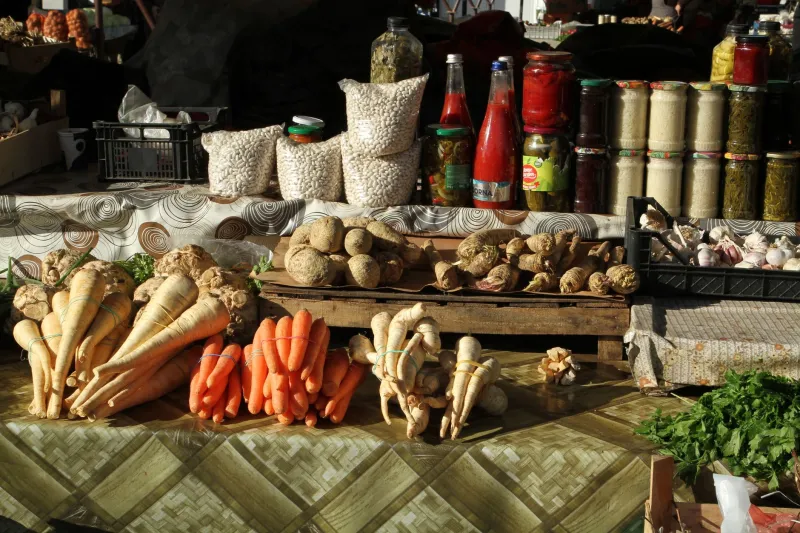
November in Wiltshire is not a polite month. The light goes early, the ground holds water, and the vegetable drawer can easily become a graveyard of good intentions. But this is also the point when local produce starts to earn its keep. The knobbly, the leafy, the slightly awkward vegetables that supermarkets hide behind plastic-wrapped carrots are exactly the ones that make winter cooking feel generous.
At Dauntsey Farm Shop, we see the shift every year. Shoppers come in for the usual potatoes and onions, then pause by the celeriac. The pause is usually followed by a question: what do I actually do with that? Fair enough. Seasonal cooking does not need to be complicated, but it does help to know what you are buying. Here are nine local vegetables that deserve a place in your basket this November 2026, plus the buying advice and quick ideas that make them easy to use.
1. Celeriac: the ugly one that delivers
Celeriac looks like a root that has seen things. Ignore that. It has a gentle celery flavour, a creamy texture when cooked, and it works harder than most things in the winter kitchen.
Buying: Choose one that feels heavy for its size, with firm flesh and no soft patches around the top. Smaller roots are easier to peel and less woody. Storage: Keep it in the fridge drawer, loosely wrapped, or in a cool shed. It will sit happily for a couple of weeks. Quick idea: Cut into chunks, toss with oil and thyme, and roast until the edges caramelise. Or grate it raw with mustardy mayonnaise for a sharp little remoulade. It also mashes beautifully with potato when you want something richer than plain mash.
2. Swede: better than its reputation
Swede has spent decades being boiled to death and served as a pale orange afterthought. Give it a chance and it is sweet, peppery and deeply comforting.
Buying: Pick a small-to-medium swede that feels solid. Big ones can be woody in the middle. Storage: Cool, dark and dry is fine. No need to refrigerate a whole one. Quick idea: Mash with plenty of butter and black pepper. Roast cubes with cumin and a little honey. Or simmer with carrots and stock for a soup that tastes better than the sum of its parts.
3. Cavolo nero: the leafy green that actually tastes of something
Cavolo nero, or black kale, is the winter green for people who think they do not like kale. It is dark, sturdy and slightly bitter in the best way.
Buying: Look for stiff, deep green leaves with no yellowing. Avoid limp bundles. Storage: Wrap loosely in a damp cloth or a paper bag and keep it in the fridge. Use it within a week. Quick idea: Shred and wilt it in a pan with garlic and chilli, then finish with lemon. Stir it through pasta with sausage and Parmesan. Or layer it into a gratin with cream and potatoes.
4. Jerusalem artichokes: knobbly, nutty, worth the peel
These are not artichokes and they have nothing to do with Jerusalem. They are the tubers of a sunflower relative, and they have a sweet, nutty flavour that makes them genuinely special.
Buying: Choose firm, pale tubers without wrinkles. Storage: Keep them in the fridge and use them within a week or so. Quick idea: Scrub rather than peel, then roast with oil and rosemary until crisp outside and soft within. They make a lovely velvety soup, too. A word of warning: they have a reputation for windy consequences, so introduce them gently.
5. Parsnips: wait for the frost
Parsnips are sweeter after a cold snap, which is why November is the right time to start buying them properly. The starch turns to sugar and the flavour deepens.
Buying: Small and medium parsnips are usually sweeter than huge ones. Look for firm roots with no soft spots. Storage: Keep in a cool, dark place or the fridge drawer. Quick idea: Roast with honey and mustard. Mash with butter and nutmeg. Or slice thinly and roast into parsnip crisps for a pre-dinner snack.
6. Beetroot: earthy, sweet and versatile
Beetroot is one of those vegetables that people either love or avoid because of a school-dinner memory. Fresh local beetroot is a different thing entirely.
Buying: Firm, small-to-medium roots are best. If the leaves are attached and look perky, buy those too. Storage: Twist off the leaves, leaving a short stalk, and store the roots in the fridge. Quick idea: Roast whole in foil with a splash of vinegar, then peel and slice into a salad with goat's cheese. Grate raw with apple and lemon for a crunchy winter slaw. Pickle a jar for the Christmas table.
7. Leeks: the quiet backbone of winter cooking
Leeks do not shout, but they turn up in all the best winter food. They are sweet when braised, silky in soup and excellent with cheese.
Buying: Look for firm white shanks and dark green tops. Avoid slimy layers. Storage: Keep in the fridge, loosely wrapped. Quick idea: Braise halved leeks in stock and butter until tender, then top with grated cheese and grill. Or make the classic potato and leek soup with a good grind of pepper. Charred leeks with a sharp vinaigrette make a surprisingly good side.
8. Red cabbage: the colour on the plate
Red cabbage is cheap, cheerful and makes a winter plate look less beige. It also keeps well, which is useful when the fridge is full.
Buying: Choose a tight, heavy head with shiny leaves. Storage: It will keep for weeks in a cool place. Quick idea: Braise shredded cabbage with apple, cider vinegar and a little sugar until soft and glossy. Serve it with sausages or roast pork. A raw slaw with carrot and a mustardy dressing is good for lunch the next day.
9. Brussels sprouts: stop boiling them
Sprouts have been unfairly maligned. Roasted or shredded raw, they are nutty, sweet and completely different from the soggy version that haunts many memories.
Buying: Tight, small, bright green sprouts are best. A whole stalk is a good sign of freshness. Storage: Keep in the fridge and use within a week. Quick idea: Halve and roast with oil and salt until the edges are dark and crisp. Shred raw with lemon and hazelnuts. Or pan-fry with bacon and chestnuts for a December side.
How to shop a farm shop in November
The temptation with local produce is to buy everything at once, then panic. A better approach is to pick two or three vegetables you have not cooked recently and build a couple of meals around them. Ask the staff what is looking good that week. Buy smaller quantities of fresh greens and larger quantities of roots. And do not ignore the misshapen ones; they often taste just as good and cost less.
Storage does not need to be fancy. Most roots prefer cool, dark and dry. Leafy things prefer cold and slightly damp. Keep an eye on the fridge drawer and use the tender greens first. If you are short on time, roast a tray of mixed roots on Sunday and eat them through the week with grains, eggs or leftover meat.
The point is not to become a different cook overnight. It is to swap one boring supermarket staple for something with a bit more character. This November, start with the celeriac. Or the swede. Or the cavolo nero that looks like it means business. The winter kitchen is better with a few unsung heroes in it.