A Cold Larder, Not a Graveyard: Winter Freezer Lessons from the Farm Shop
By the second week of November 2026, the farm shop table has that familiar look: roots stacked like firewood, brassicas in tight heads, the last of the apples going soft at the edges. It is the point in the year when good intentions meet a cold drawer and a vague plan. The freezer can be a seasonal larder or a cold graveyard. The difference is rarely dramatic. It is a handful of small decisions: what you buy in quantity, how you blanch it, how you pack it, and whether you actually eat it in February.
Start with what is actually worth banking
The freezer is not a root cellar with a plug. It will not improve texture, and it will not rescue produce that was already tired. What it does well is hold a glut at its best, so that a wet Tuesday in January can borrow from a bright Saturday in November.
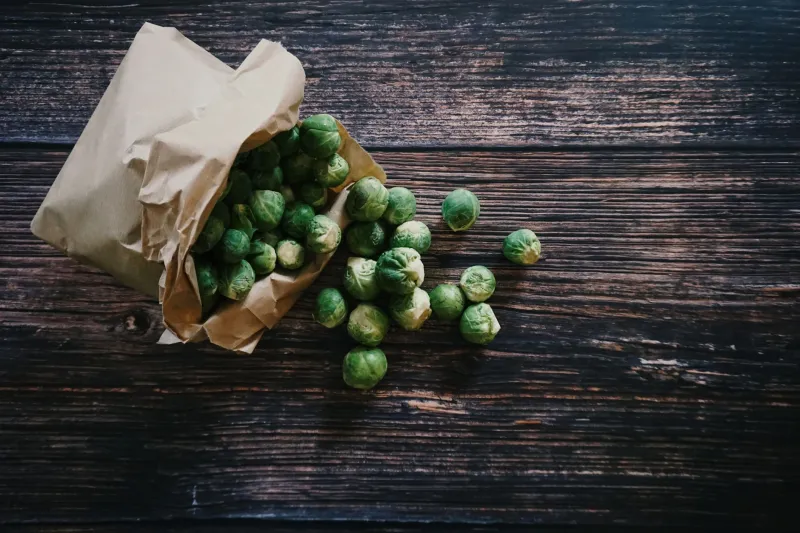
At this time of year, the strongest candidates from the farm shop are leafy greens, brassicas, squash and the last orchard fruit. Kale, chard and spinach all freeze well once blanched, though they need squeezing dry or they will turn a soup watery. Brussels sprouts are worth buying by the stalk when they are tight and small: blanch them whole for three minutes, refresh them in iced water, dry them properly and freeze them in meal-sized bags. Broccoli and cauliflower are good too, cut into florets and blanched briefly. Romanesco, if you see it, freezes just as well and looks less sorry than it should when reheated.
Squash and pumpkin are easier as puree. Roast them until soft, scoop out the flesh, blitz it smooth and freeze in 250g portions. Those portions become soup, risotto, a base for pasta sauce or a quiet addition to a cottage pie. Apples and pears are best cooked down lightly, with or without sugar, and frozen in tubs. Leeks freeze well sliced and washed, though they are better used in cooked dishes than as a raw garnish. Soft herbs can be chopped and frozen in ice-cube trays with a little water or oil, but only if you will genuinely use them.
What is less worth the space? Raw potatoes turn grainy, cucumbers collapse, and soft cheeses lose their charm. Whole eggs in shells should not go in at all. Courgettes can be frozen, but only if you accept that they will release water later and plan accordingly. A freezer full of things you do not actually like is not thrift. It is just a slower form of waste.
Blanch like you mean it
Blanching is the step most people skip, and it is the step that makes the difference between a bag of green mush and something you are pleased to find. The aim is simple: stop the enzymes that cause colour, flavour and texture to fade, then cool the produce quickly so it does not carry on cooking.
Use a large pan of well-salted water and work in small batches. If the water stops boiling when you add the vegetables, you have added too much. Have a bowl of iced water ready before anything hits the heat. Greens such as kale and spinach need barely a minute or two. Brussels sprouts take three to four minutes. Cauliflower and broccoli florets need about three. Lift the vegetables out with a slotted spoon, plunge them straight into the iced water, then drain and dry them thoroughly. A salad spinner is useful here; a clean tea towel works too. Wet vegetables freeze into one solid block and taste of nothing much when thawed.
Pack for the person you will be in January
The person doing the freezing is optimistic. The person opening the drawer in January is tired and hungry and does not want to defrost a two-kilo block of spinach for one omelette. Pack for that second person.
Freeze in portions that match actual meals: a handful of greens for two, a tub of squash puree for a soup, a small bag of sprouts for a Sunday roast. Press the air out of bags, or use tubs that stack. Label everything with the contents and the date, even if you think you will remember. You will not remember. A chalk pen and a list on the freezer door is not fussy; it is the difference between a larder and an archaeological dig.
A rotation that actually works
A freezer only earns its place if things come out of it. The simplest system is first in, first out, with a visible list. Keep a dedicated drawer or shelf for soup and stock, another for vegetables, another for fruit. Do a ten-minute audit once a week, ideally before the weekly shop. If something has been in there for a year, either eat it or admit it was a mistake. January is a good time for an eat-down week: build meals around what is already banked before buying more.
Use the freezer as part of the week rather than a separate project. A handful of blanched kale goes straight into a Friday frittata. A tub of apple puree becomes a crumble on a wet Sunday. A bag of sprouts can be roasted from frozen with oil and salt, no ceremony required. The point is not to become a person who batch-cooks twelve identical meals. The point is to make local food last long enough to be useful.
The quiet economics
Buying a glut is only thrifty if it gets eaten. A bag of beans forgotten at the back of the drawer is not just waste; it is a small failure of respect for the grower, the soil and the money you spent. A well-kept freezer is one of the most practical tools for eating seasonally without turning every meal into a moral exercise. It lets you buy the good thing when it is plentiful, then use it when it is not.
So before the drawer fills with frost and good intentions, make a short list. Buy what you will actually eat. Blanch it properly. Pack it in portions. Write it down. Then, in the grey middle of winter, open the door and find something worth cooking.