When the Light Drops, the Yolks Deepen: Buying and Baking with Winter Eggs
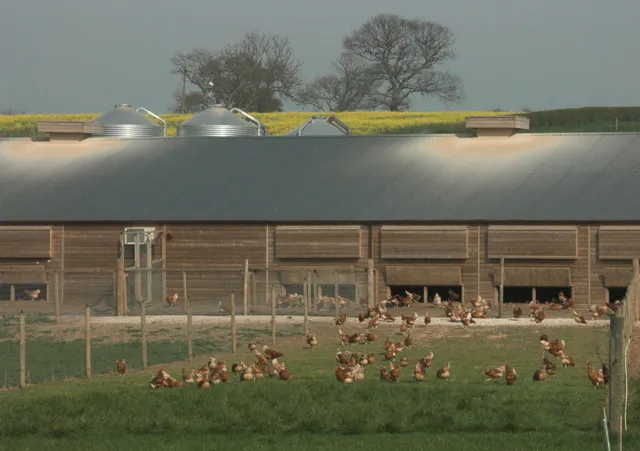
Photo: Jerry Evans, CC BY-SA 2.0, via Wikimedia Commons
There is a particular look to the egg shelf in early November. Not empty, exactly — more like a bookshelf after someone has borrowed the good novels. A few gaps, a few mixed-size boxes, a handwritten note about limited supply. Anyone who buys eggs from a farm shop will recognise it. The flock is still working, but the light has changed, and the hens have noticed before we did.
This is not a problem to be solved. It is a season to be cooked through. Winter eggs are scarcer, yes, but they are also some of the most useful and most interesting eggs of the year — deeper in colour, often bigger, and squarely at the centre of the richest cooking we do. The trick is knowing what is actually happening in the henhouse, and then planning the week's baking around it rather than assuming the supermarket box will always be there.
Why the winter egg behaves differently
Hens are daylight creatures. Peak laying generally wants somewhere in the region of fourteen to sixteen hours of light a day, which is a comfortable summer arrangement and a distinctly thin one by the time we reach December. As the days shorten, output falls. Many flocks also moult in autumn, dropping feathers and pausing lay while they rebuild condition. A hen that has just come through a moult will often return with larger eggs — sometimes noticeably so — but there will be fewer of them for a while.
The other thing that shifts is the yolk. Yolk colour comes from carotenoids in the diet — grass, maize, alfalfa, marigold, whatever the flock is eating. A hen on good winter pasture and a thoughtful ration can produce a yolk that looks almost orange against the pale supermarket standard. It is worth saying plainly that colour is a diet signal, not a moral scoreboard. A deep yolk is not automatically a better egg in every culinary sense. But in winter, when the birds are eating more stored feed and less fresh grass, a rich yolk usually tells you the keeper is paying attention.
What to ask when the shelf looks thin
A short shelf is a conversation waiting to happen, and the counter is the right place for it. Ask how old the eggs are. Ask whether the flock is moulting. Ask if there are larger or mixed-weight boxes held back, or whether you can reserve a dozen for the weekend. Farm-shop staff usually know exactly which hens are laying and which are having a fortnight off, and they will tell you if you ask.
A few practical questions worth having in your pocket:
- Are these from one flock or several? Blended boxes are normal when supply is tight; single-flock boxes are worth knowing about if you want consistency for baking.
- Can I buy mixed sizes? A box of mediums and larges is often better value in winter than paying a premium for uniform larges that are in short supply.
- Do you have seconds? Slightly soiled or odd-shaped shells are fine for cooking and often cheaper. Wash them just before use, not before storing.
- When is the next delivery? Small shops often get eggs twice a week. Knowing the day changes how you plan a bake.
If the shelf is genuinely bare, don't take it as a slight. Take it as information. Order ahead, or buy two boxes when you can and use the older ones first. Eggs keep well — three weeks or more from laying if stored cool and steady — so a modest stockpile is sensible rather than greedy.
The baking case for a winter egg
Here is where scarcity becomes an advantage. When you have a dozen good eggs and no intention of wasting them, you cook the dishes that actually need eggs rather than the ones that merely tolerate them.
Custard. Six yolks, 500ml of milk and cream, 80g of sugar, a vanilla pod if you have one. Warm the dairy, whisk the yolks and sugar, combine, then stir gently to 75°C — no higher, or you will have sweet scrambled eggs. Strain, cool, and you have the base for a proper pouring custard or a set baked custard. The deep winter yolk shows here more than anywhere.
Yorkshire puddings. Equal volumes of egg, milk and plain flour, a good pinch of salt, rested for half an hour. Get the tin and its fat genuinely hot — 220°C — and do not open the oven until they have risen. This is the recipe that punishes a thin, pale egg and rewards a rich one.
Brunch. Soft scrambled eggs cooked low and slow, a fried egg with a lace-edged white on toast, or a pan of shakshuka with six eggs nested into a spiced tomato base. Winter weekends are made for this kind of cooking, and it uses eggs generously without treating them as an afterthought.
The Christmas cake window
If you make a Christmas cake, late November is the moment. Eggs are the binder and much of the moisture, and room-temperature eggs emulsify into the butter and sugar far better than cold ones. A useful habit: weigh your eggs in their shells, then match the flour, butter and sugar to that weight. It makes the cake forgiving of whatever sizes the flock is producing this week.
Bake it, cool it, feed it with brandy or sherry once a week until mid-December, and let it sit somewhere cool. The eggs you bought when the shelf was half-empty in November will be doing quiet work in that cake on Christmas Day. There is something pleasing about that arithmetic.
Buy where you can see the flock
A small opinion, offered plainly: eggs are one of the last everyday foods where the person selling them can usually tell you something real about where they came from. That is worth protecting. Ask about the hens. Ask what they eat. Ask why the supply dipped this week. The answers will tell you more than any label, and they will make you a better cook, because you will understand the ingredient instead of just buying it.
Winter is not the season of abundance in the henhouse. It is the season of concentration. Fewer eggs, deeper yolks, and a kitchen that suddenly has a reason to make custard on a Tuesday. Buy the mixed box, ask the awkward question, and let the short days do their work.