The Frost Line: What One Cold Night Does to the Farm Shop Table
The first hard frost rarely announces itself. You notice it on the car roof, then in the crunch underfoot on the way to the shop door. By the second week of November, the farm-shop table has already begun to look different: fewer soft, glossy things, more earth, more leaves, more weight in the hand. This is not the end of the local season. It is the point where the kitchen changes gear.
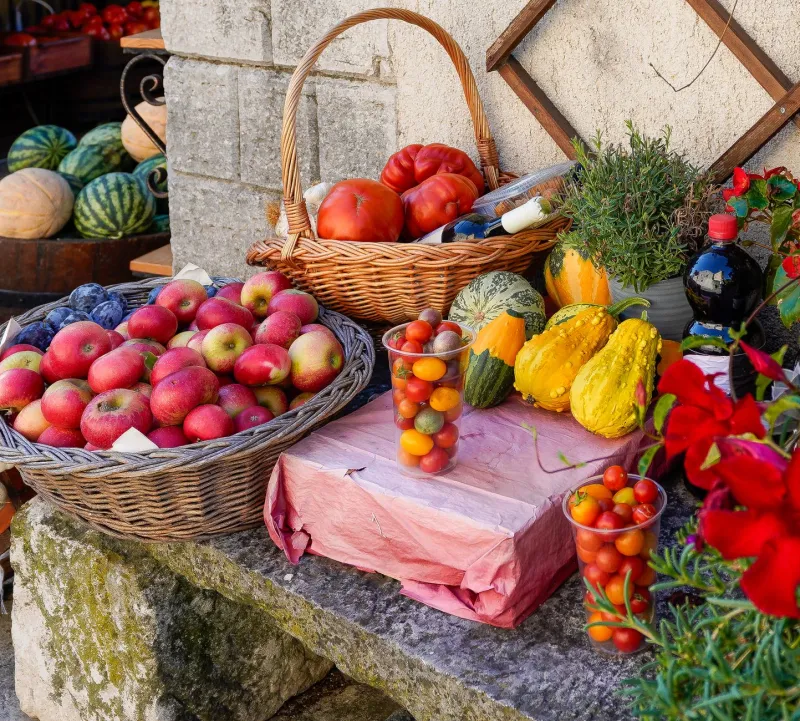
At Dauntsey Farm Shop, the shift is easy to spot if you know what you are looking at. The courgettes have thinned out. The tomatoes are down to their last pale flush. In their place: parsnips with soil still in the creases, tight little sprouts, dark kale, swedes the size of a saucer, leeks standing in a crate like a modest regiment. The frost has done some of the work for you. The rest is about shopping the turn rather than mourning the summer.
What the Cold Actually Does
A hard frost is a stress test for a plant, and the response is often delicious. Many roots and brassicas respond to cold by converting stored starch into sugar. That is why parsnips taste sweeter after a cold snap and why sprouts lose some of their aggressive edge. It is not magic and it is not instant, but a few cold nights can change the eating quality of a crop quite noticeably.
The effect is not uniform. Parsnips, carrots, swedes and leeks generally come through well. Kale and savoy cabbage tend to thicken and sweeten. Sprouts tighten up. Soft herbs, beans and anything tender will blacken and collapse, which is why you will not see them on the table in any meaningful quantity. The frost is a filter as much as a flavour trick.
There is also a practical side. Cold, dry weather helps roots store. A parsnip lifted after frost and kept cool and dark will hold for weeks. A wet, mild autumn is harder on storage. So the post-frost shop is not just about flavour; it is about buying crops that are now in their best keeping window.
Reading the Table
You do not need a clipboard to shop this transition well. A few small observations will tell you most of what you need to know.
Roots should feel heavy. Pick up a parsnip or a swede. It should feel denser than it looks. Soft shoulders, rubbery ends or a hollow sound when tapped are reasons to leave it. A little soil is fine; it often means the crop has not been over-washed and will keep better at home.
Brassicas should look awake. Tight sprouts, firm stalks and dark, dry leaves are good signs. Yellowing is not a crime, but it suggests the crop has been sitting. Avoid slimy patches or a sour smell. Kale should snap rather than flop.
Ask about the field, not just the label. A crop grown under cover may not have had the same frost exposure as one lifted from open ground. That is not automatically better or worse, but it changes the sweetness and texture. If you are buying a kilo of parsnips for a Sunday roast, it is worth knowing whether they have had a proper cold spell.
Look for the honest gluts. The best-value buys after frost are often the crops the shop has in quantity: swede, carrots, leeks, cabbages. These are the backbone of late-autumn cooking, and they are usually the things the kitchen can use most flexibly.
A Short Frost-Week Basket
You do not need a trolley full of novelty. A good frost-week basket looks something like this: parsnips, carrots, a swede, two or three leeks, a bag of sprouts, a dark leafy bunch of kale or savoy, potatoes, onions, and a few apples for the bowl. Add a piece of cheese or a jar of something sharp if you want to turn roots into a full meal. That is a week of cooking, not a museum display.
Three Simple Plates
Roasted parsnips with mustard and honey. Cut parsnips into long wedges, toss with oil, a spoon of mustard and a little honey, and roast hot until the edges catch. Do not crowd the tin. A few bay leaves in the tray are worth it.
Sprout and potato hash. Halve sprouts and fry them hard in a wide pan with cooked potatoes, a chopped onion and whatever bacon or chestnuts you have. Finish with black pepper and a little butter. It is a leftovers dish that tastes like a plan.
Kale and leek colcannon. Boil potatoes, soften shredded kale and sliced leeks in butter, then fold everything together. Add milk, salt and plenty of pepper. It sits happily next to sausages, roast chicken or nothing at all.
Questions Worth Asking at the Counter
The counter is not a test. It is the quickest way to shop better. Ask when the roots were lifted, whether the greens came from the field or a tunnel, and which crops are holding best this week. Ask how the shop would store a bag of sprouts for ten days, and whether the parsnips are better roasted now or left in the fridge. Ask if there is a glut of anything. The answers will usually send you home with a more useful basket than the one you planned.
Storage at Home
Keep roots cool, dark and unwashed until you need them. A shed, garage or the bottom of the fridge will do. Shake off loose soil but do not scrub. Store greens in paper or a damp cloth, not a sealed plastic bag. Keep sprouts loose and use them within a week or so. Potatoes want darkness. Apples want to be away from everything else if you are trying to keep them crisp. Frost improves some crops in the field, but it does not make your kitchen a cold store.
The first frost is a line in the calendar, not a closure. It tells you what is finished and what is finally ready. Shop the turn, ask a few questions, and let the roots and brassicas do the heavy lifting. That is the quiet pleasure of the late-autumn farm shop: less choice, better choice.