Ask, Taste, Repeat: Getting Far More Out of the Farm Shop Cheese Counter
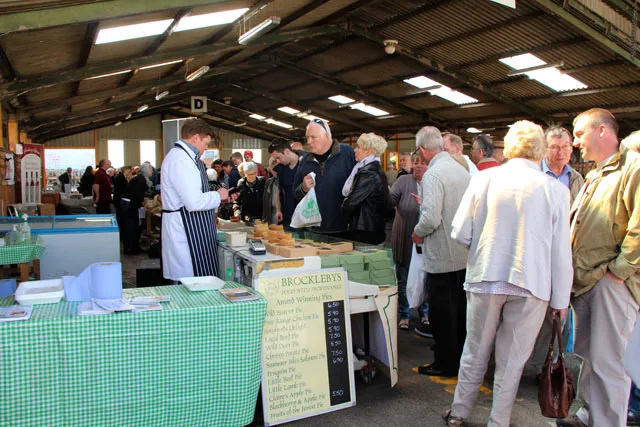
Photo: Kate Jewell , CC BY-SA 2.0, via Wikimedia Commons
Cheese is the one part of the weekly shop where talking to someone genuinely changes what you take home. Not in a vague, nice-to-support-local way. In a hard, practical way: you end up with something you'll actually finish, rather than another half-block of something bland mouldering in the drawer by January.
And yet most of us arrive at the counter, point at the biggest wedge, and mumble. Fair enough. It's a wall of unfamiliar names and nobody wants to feel like an idiot. So here's the case for slowing down, and a short list of questions that do all the work.
Why the Counter Beats the Chiller
A pre-packaged block was cut weeks ago, sealed in plastic and chilled to within an inch of its life. It has to survive a distribution chain, so it's designed to be robust rather than delicious. The cheese you buy over a counter was cut this week, from a whole cheese the shop chose deliberately, and it has been sitting at a temperature that lets it actually taste of something.
More importantly, you can taste before you buy. Almost every farm shop counter will offer a sliver if you ask. That single mouthful saves you from more disappointing purchases than any label ever will.
Get to Grips with the British Territorials
Before you go hunting for obscure rarities, it helps to know the backbone of the counter — the territorials. These are the great regional cheeses of Britain, and each has a personality.
- Cheddar ranges from springy and mild to dense, crumbly and sharp enough to make your eyes water. Age is the variable.
- Lancashire is moist, buttery and slightly acidic. The crumbly version is a different beast again.
- Wensleydale is fresh, milky and gently tart. Made for fruit, not for a cheese board centrepiece.
- Red Leicester and Double Gloucester bring colour and a mellow, nutty richness.
- Cheshire is salty and crumbly, and the oldest named cheese in Britain.
- Caerphilly is bright, lemony and salty — a proper Welsh classic.
- Stilton is the blue that needs no introduction, though it deserves one.
Once you can place a cheese in that landscape, the rest of the counter stops feeling like a quiz.
The Questions Worth Asking
This is the part that matters. Five or six questions, asked cheerfully, will get you better cheese than a decade of reading labels.
"Is this raw or pasteurised milk?"
Raw milk cheese has more depth, more variation from batch to batch, and a longer, more interesting finish. It's also more demanding to make well. Both are worth eating; knowing which you've got tells you how much character to expect.
"How old is it?"
Age explains almost everything about a cheddar. A three-month cheddar and a fifteen-month cheddar are barely the same food. If you like a sharp, crystalline bite, say so — the answer is a number.
"Who makes it?"
If the person behind the counter can name the farm, that's a good sign. If they can tell you the maker's name and what else they produce, you're in the right shop.
"What's tasting good at the moment?"
This is the single most useful question, and the one nobody asks. Cheese changes across the year. A batch can go slightly more acidic, or dry out, or hit a perfect run. Ask what's on form and go with it.
"What's the rind like?"
Natural rinds, washed rinds, cloth-bound — the outside tells you how the cheese was treated and, often, how it will taste. Cloth-bound cheddar has a texture and savouriness that plastic-wrapped never manages.
"How much should I take?"
A good counter will happily cut 150g rather than pushing 400g on you. Buy little and often. Cheese is a fresh product with a best-before, not a store-cupboard staple.
Cheese Has Seasons Too
Milk isn't a constant. Spring grass gives rich, golden milk and cheeses that taste of it. Late-autumn milk, once the animals move to hay and the lactation cycle winds down, is different again — often fuller, sometimes nuttier. A good counter knows where it is in that cycle, and it's the reason certain cheeses suddenly sing in November while others go flat.
Ask whether anything on the counter is made from milk from a particular point in the year. It's a slightly unusual question and it will get you a genuinely interesting answer.
Looking After It Once You Get Home
Don't suffocate it in cling film. Wrap in waxed paper or greaseproof, then a loose layer of foil, and keep it in the fridge drawer. Bring it out forty-five minutes before you eat it — cold mutes everything. And if a natural-rind cheese starts to smell of ammonia, it's past its best; trim it and eat the rest quickly.
Pairings That Actually Work
Forget the elaborate boards. Simple is better.
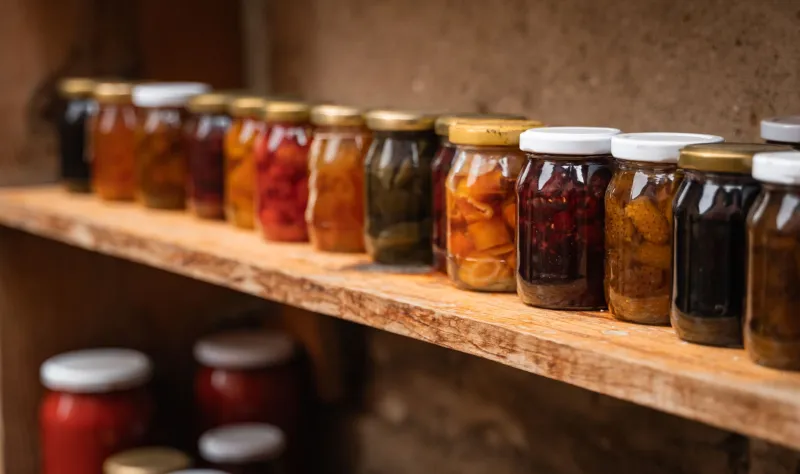
- A sharp aged cheddar with chutney and a plain oat biscuit
- Wensleydale with a crisp apple, sliced thin
- Lancashire with a slab of dark fruit cake
- Stilton with quince, or a glass of something fortified
- Caerphilly with raw celery and good bread
- A soft, bloomy British cheese baked with honey and thyme, scooped out with toasted sourdough
Leave With Something You Love
That's the whole point. The counter isn't there to test you. It's there because cheese is a living, seasonal, variable thing, and the person cutting it has tasted everything in front of you this week.
Go in with one question, not a list. Try whatever's offered. If you don't like it, say so — that's useful information. Come back next month and see what's changed. Before long you'll have three or four cheeses you'd happily defend in an argument, and a chiller aisle you'll never need to visit again.