Half a Lamb, Whole Winter: The Real Maths of Buying in Bulk
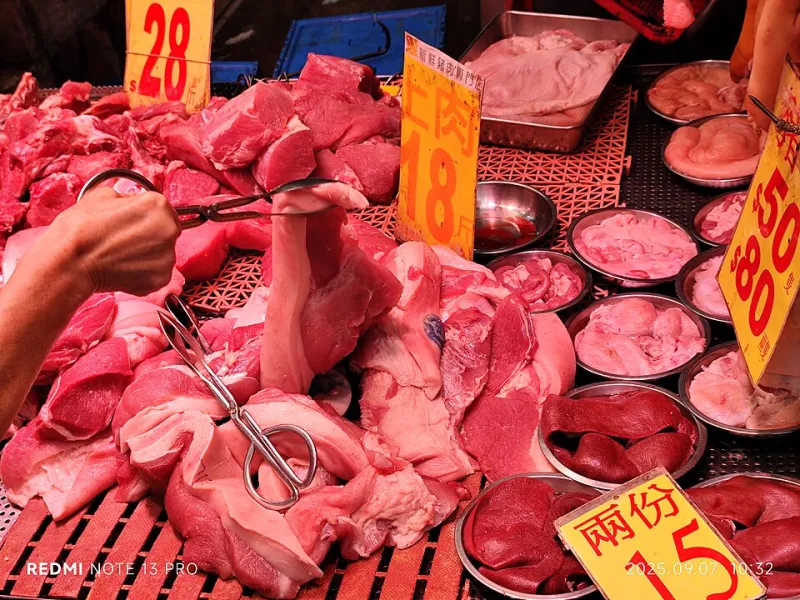
Photo: SZeKim YimmutAPM, CC0, via Wikimedia Commons
There's a moment at the meat counter when half a lamb starts to sound like a brilliant idea and a mild problem at the same time. Both are true. But the sums work out far better than most shoppers assume, and the cooking gets considerably more interesting along the way.
What Actually Turns Up
A half lamb from a farm shop usually lands somewhere between 9kg and 11kg once it's been butchered, bagged and labelled. That's a hefty box. Not quite a chest-freezer situation, but definitely not something you can wedge into the door shelf next to the peas.
The exact mix depends on how your butcher breaks it down. Most will ask whether you want it "standard" — chops, one leg, one shoulder, mince — or left in larger joints. Go large if you can. Bigger cuts give you options later, and a shoulder you can bone out yourself is worth more in the kitchen than a dozen neat little parcels.
A typical half lamb might contain:
- One leg, bone-in or butterflied — around 2kg
- One shoulder on the bone — around 1.8kg
- Best end rack — around 500g
- Loin chops — around 1.2kg
- Breast or belly — around 800g
- Scrag end and neck — around 600g
- Two shanks — around 800g
- Mince — around 1kg
- Diced shoulder or leg — around 1kg
- Bones for stock
Offal is the wildcard. Some shops include liver and kidneys without being asked; others keep them back unless you say the word. Say the word. Liver is a ten-minute dinner and kidneys will make a breakfast worth getting up for.
The Money, Laid Out Plainly
Bulk buying isn't cheap in the way a £3 yellow-sticker chicken is cheap. It's a single lump of spending — expect somewhere in the region of £120 to £160 for a half lamb depending on breed, farming method and how the shop prices its boxes. Ask for the price per kilo rather than the headline number; that's the figure that tells you whether you're being looked after.
Supermarket lamb mince sits around £9 to £11 a kilo for decent fat content, and chops often creep past £14. On that comparison, a half lamb at £13 to £15 a kilo is quietly competitive — and you're getting leg, rack and shank in the deal, not just the bits that go through the grinder.
The honest caveat: you're paying for a whole animal, so you're also paying for the cuts nobody fights over. That's the point. Learn to love them and the value gets absurd.
Freezer Space: The Unromantic Answer
Half a lamb takes up roughly 30 to 35 litres. In real terms, that's one full drawer of a standard 60cm under-counter freezer, plus a bit of shelf. In a typical fridge-freezer, budget around a third of the frozen capacity.
Two practical notes. First, check your freezer actually sits at -18°C or below before the box arrives — a half lamb is a terrible thing to lose. Second, bag it in meal-sized portions the day it comes home rather than freezing one solid block and chipping at it for four months.
Cooking Your Way Through It
Start with the leg. Roast it on a Sunday, then use the leftovers cold with mustard the next day and shredded into a Monday night broth the day after. That's three meals from one joint before you've thought about anything clever.
The shoulder is the workhorse. Six hours at low heat with garlic, rosemary and a splash of cider gives you something you can pull apart with a spoon and pile into flatbreads, or fold through pasta, or freeze in portions for the weeks when cooking feels like too much effort.
The chops are the easy luxury — hot pan, salt, four minutes a side, rest them properly. The rack is for an occasion.
And then there are the cuts people skip.
Scrag end
This is neck, bone and all, and it makes the best broth in the house. Brown it hard first, then simmer with onion, carrot, a few peppercorns and whatever herbs are hanging about. Two hours gets you stock; three gets you something you'd pay good money for. The meat picks off the bone and goes back in with pearl barley.
Breast and belly
Flat, fatty and underrated. Score the skin, rub with anchovy and garlic mashed together, roll it tight, tie it and roast slowly. Sliced cold, it's better than most pâté.
Neck fillets
If your butcher leaves them whole, treat them like a quick braise: sear, then 45 minutes with tomatoes, cumin and chickpeas. Cheap cuts, short cooking — a combination people forget exists.
Bones
Roast them dark, then simmer overnight. Freeze the stock in old yogurt pots. This is where the real economy of a half lamb lives.
Cost Per Meal, Done Honestly
Take a £140 half lamb. After bones, trim and roasting shrinkage, you're realistically looking at somewhere between 40 and 50 portions of protein. That's around £3 a portion — and that's before you count the stock, which is essentially free food made from things you'd otherwise bin.
Compare it with a supermarket mince dinner for four at roughly £14 and the case is made. The gap isn't dramatic on any single meal. It's dramatic across a winter.
Before You Order
Ring ahead. November and December are the busiest weeks at any farm shop meat counter and halves get allocated quickly. Ask when the lamb was reared, ask what breed, ask for a breakdown sheet so you know what's in the box before you get it home. And take a cool bag — even a ten-minute drive is a ten-minute drive.
The Verdict
Half a lamb isn't a frugal hack and it isn't a lifestyle statement. It's just a sensible way to buy meat from a farm you can actually ask questions about, at a price per meal that beats the chiller aisle. The first month feels like a lot of lamb. By February you'll be wishing you'd taken the whole one.