The Doorstep Reset: Ten Minutes That Decide How Long Your Shop Lasts
Photo: Russell Lee, Public domain, via Wikimedia Commons
You get home from Dauntsey Farm Shop with a bag of leaves that looks like it was picked by a poet, a wedge of cheese the size of a paperback and a squash that could double as a doorstop. You put the kettle on. You leave the bags on the counter. By Wednesday the leaves are soup and the cheese smells like the inside of a gym bag. We have all done it.
The ten minutes after you get through the door are the best-value time you will spend on your food all week. Not the cooking. Not the meal planning. The unpacking. Farm shop produce is often fresher and less cosseted than supermarket equivalents, which is a good thing — but it also means it responds to a bit of attention. Treat it like a delivery that has just landed, not a pile of shopping to be dealt with later.
Empty the bags. All of them
First job: nothing stays in the bag. Paper bags, cotton totes and those reusable crates all trap moisture, and moisture is the enemy of leaves, roots and cheese. Tip everything out onto the counter and have a quick look. A bruised apple will speed up the decline of its neighbours. A damp bunch of chard will turn the fridge drawer into a swamp. Catch it now and you have a chance.
Make three piles: fridge, cool dark place, and eat soon. The last pile is the most important. Farm shop shopping is not a storage competition. If the tomatoes are perfectly ripe, plan them for tonight. If the cheese is oozing, do not bury it at the back of the drawer. The ten minutes are also a moment to decide what you are actually going to eat this week.
Salad leaves: dry them or regret it
Wash leaves only if they need it. Many farm shop salad bags are already clean, but field-grown leaves can carry grit and the odd slug. Either way, the drying step is non-negotiable. A salad spinner is the obvious tool, but a clean tea towel and a gentle swing works too. Get them as dry as you can, then store them in a tub lined with paper towel, with another sheet on top. Do not cram them in. Leaves need a little air, not a compression session.
If you bought a whole head — little gem, butterhead, a proper winter chicory — separate the leaves, discard any bruised ones, and keep the rest dry and cold. Wet leaves go yellow and slimy. Dry leaves stay crisp for days. It is not glamorous. It is the difference between a Tuesday salad and a Tuesday compost contribution.
Onions and potatoes are not housemates
This is the one people get wrong. Onions and potatoes both like cool, dark, ventilated storage, so it is tempting to put them in the same cupboard. Do not. Onions give off gases that encourage potatoes to sprout, and potatoes give off moisture that makes onions go soft and mouldy. Keep them apart. Onions are happiest in a mesh bag or a basket with air around them. Potatoes want a paper sack or a cardboard box, dark and cool, but not the fridge. Check both every week and use up any soft ones first.
Winter squash is the same sort of character: cool, dry, dark, and plenty of air. Do not put it in a sealed cupboard where it will sweat. A whole squash will sit happily for weeks if you treat it like a stored crop rather than a fridge item.
Tomatoes stay out of the fridge
A ripe tomato from the shop counter has flavour because it has been allowed to ripen properly. Put it in the fridge and you trade that flavour for a longer shelf life you did not really need. Keep tomatoes at room temperature, out of direct sun, stem-side down if you are being fancy. Eat the ripest first. If they are slightly underripe, a windowsill will finish the job. Once a tomato is cut, it can go in the fridge, but bring it back to room temperature before eating. This is one of those small rules that makes a big difference to a cheese sandwich.
Cheese needs to breathe — but not too much
Farm shop cheese is usually cut to order, which means it has been exposed to air and handled. It does not want to be sealed in tight cling film, where it will sweat and turn ammoniac. It also does not want to be left naked on a shelf, where it will dry out and pick up the smell of last night's curry. The middle way is cheese paper, wax paper or greaseproof paper, loosely wrapped, then kept in a lidded box in the coolest part of the fridge. Soft cheeses can go in the vegetable drawer, hard cheeses a little higher up. Take cheese out half an hour before eating. Cold cheese tastes of very little.
Roots, greens and the freezer
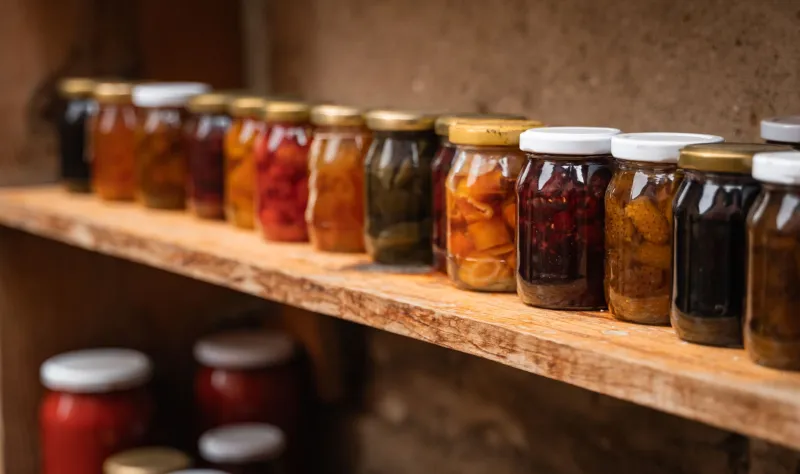
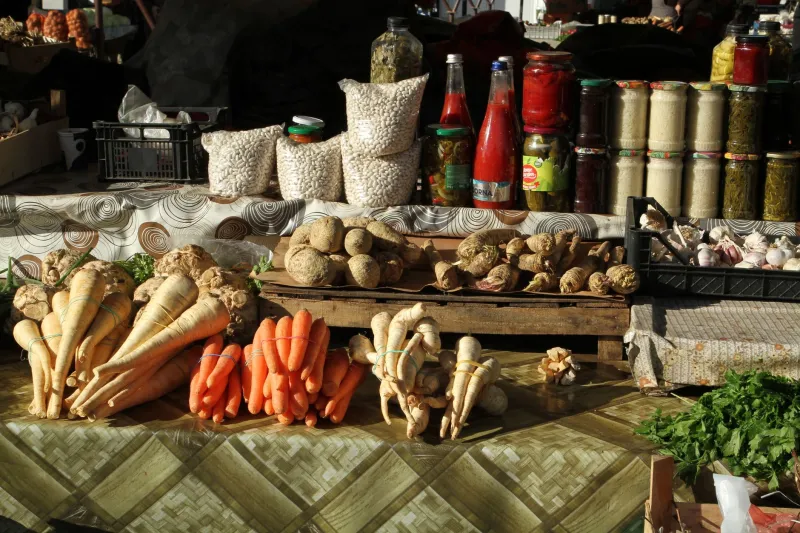
Carrots, beetroot and celeriac should go into the cold, dark part of the fridge, ideally in paper or a breathable bag. If your carrots come with tops, twist them off before storing — the leaves will pull moisture from the root. Greens such as chard, kale and spinach want to be dry, cold and loosely wrapped. Herbs are the same: a damp tea towel or a jar of water in the fridge, depending on the herb.
Then there is the freezer. This is part of the same ten minutes. Stale bread ends go in a bag for crumbs. Half a loaf can be sliced and frozen. Meat can be portioned and labelled. Cooked squash can be mashed and frozen in tubs. The freezer is not a museum; it is a weeknight shortcut. Use it now, while you still remember what is in the bag.
The ten minutes that pay you back
The case for the doorstep reset is not about being tidy. It is about value. A bunch of chard that lasts a week instead of three days is cheaper than a bunch that goes straight to the bin. A piece of cheese that tastes of cheese rather than fridge is worth the faff. A dry salad leaf is a small triumph.
You do not need matching containers or a label maker. You need a tea towel, a few paper bags, a couple of tubs and the willingness to spend ten minutes before you sit down. Put the kettle on after the unpacking, not before. The shop has done its bit. The ten minutes after you get home are yours.