The Golden Hour: A Farm Shop Guide to the Winter Toastie

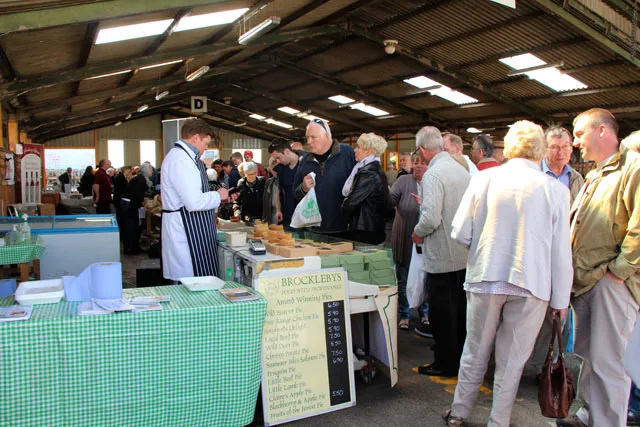
Photo: DanTD, CC BY-SA 4.0, via Wikimedia Commons
The toastie has a reputation problem. It is seen as the food of hungover afternoons and service-station cabinets, a pressed square of yellow cheese and regret. That is a shame, because a good toastie is one of the most useful winter meals going. It is quick, cheap, forgiving and — made with the right bits from the farm shop — genuinely delicious.
By early November, the counter is full of the right things: mature cheddar, blue cheese, smoked cheese, cheese ends, little jars of chutney, dark leafy greens and bread that is one day past its best but still full of flavour. The toastie is how those things become supper.
Start with bread that has backbone
Very fresh bread is not always your friend here. It steams and slumps. A day-old bloomer, sourdough or seeded loaf has more structure and toasts better. If the bread is very soft, give it a light toast first and let it cool before you build. If it is already dry, so much the better — that is what the butter is for.
Ask at the counter what was baked yesterday. A small loaf is ideal for two people, and a sliced loaf can go straight into the freezer with the slices separated by baking paper. Toastie night should not depend on a fresh shop every time.
Build from the counter, not the packet
Cheese ends are the quiet hero of the deli counter. They are often sold cheaply, they grate or slice perfectly well, and they give you a mix of flavours without committing to a whole wedge. Ask for a few odds and ends and let the staff point you towards what is good. A little mature cheddar for sharpness, a little something melty, a little blue or smoked cheese for depth — that is a toastie blend.
Hardy winter greens matter too. Kale, leeks, spinach and cabbage all work, provided you deal with their water. Wilt them first, squeeze them dry, then chop. Wet greens will steam the bread and leave you with a soggy centre. A little mustard, pickle or chutney on the inside helps cut through the cheese.
Four toasties for the season
Leek, cheddar and mustard. Soften sliced leeks gently in butter until sweet, then cool them a little. Layer with mature cheddar and a thin smear of mustard. This is the one to make when the fridge looks empty but the vegetable drawer has a lonely leek in it.
Leftover roast and chutney. Cold roast beef, lamb or chicken, sliced thinly, with a spoonful of apple chutney or onion marmalade and a little cheddar. The chutney does the heavy lifting. If you have gravy left over, serve it in a tiny pot on the side for dipping.
Mushroom, blue cheese and thyme. Fry sliced mushrooms until their water has gone and they are properly browned. Add a little thyme, cool, then layer with blue cheese. This one is rich, so a sharp pickle on the side is welcome.
Kale, smoked cheese and onion marmalade. Wilt the kale, squeeze it dry and chop it. Combine with smoked cheese and a little onion marmalade. The smokiness makes it feel far more generous than the ingredients suggest.
The method matters
Butter the outside of the bread, not the inside, or use a thin film of mayonnaise if you prefer. Heat a heavy frying pan over a medium-low flame. Put the sandwich in and press it gently with a spatula or a second pan. Give it time. The mistake most people make is turning the heat up too high and burning the outside before the cheese has melted.
If you have a toastie press, use it. If you do not, a pan and a little patience will do. For a bigger batch, build the toasties on a tray and bake them in a hot oven, turning once, until golden. They will be crisper than a pressed toastie but no less good.
Chutney is the winter shortcut
A jar of chutney is one of the best things you can keep in the fridge over winter. It turns cheese and bread into a meal, cuts through fat and adds a bit of sweetness to bitter greens. Apple chutney, pear chutney, onion marmalade, piccalilli — they all have a place. Use a spoonful, not a lake. The toastie should still taste of cheese.
If you have a pickle or a few cornichons, put them on the side. A handful of something sharp — a few pickled onions, a little dressed cabbage — makes the plate feel complete.
A quick supper, not a compromise
The toastie is not a failure of meal planning. It is a sensible response to a cold evening and a busy day. Serve it with tomato soup, a bowl of leftover greens or a sharp little salad. One good toastie and a mug of soup is a proper winter supper for one or two, and it costs very little.
It also makes the most of a farm shop shop. The bread that would otherwise go stale, the cheese ends that would otherwise be binned, the chutney bought on impulse, the greens that need using — all of it has a purpose. That is not scrimping. It is cooking with what you have, which is one of the quiet pleasures of shopping this way.
Ask for the odds and ends
Next time you are at the deli counter, ask what cheese ends are available. Ask which chutney would suit a toastie rather than a cheeseboard. Ask for a small loaf rather than the biggest one. The staff will usually be glad to help, and you will leave with the ingredients for a very good winter habit: a golden, crisp, cheese-filled hour that asks almost nothing of you and gives back a great deal.