The Loaf That Lasts: Buying Better Bread from the Farm Shop Table
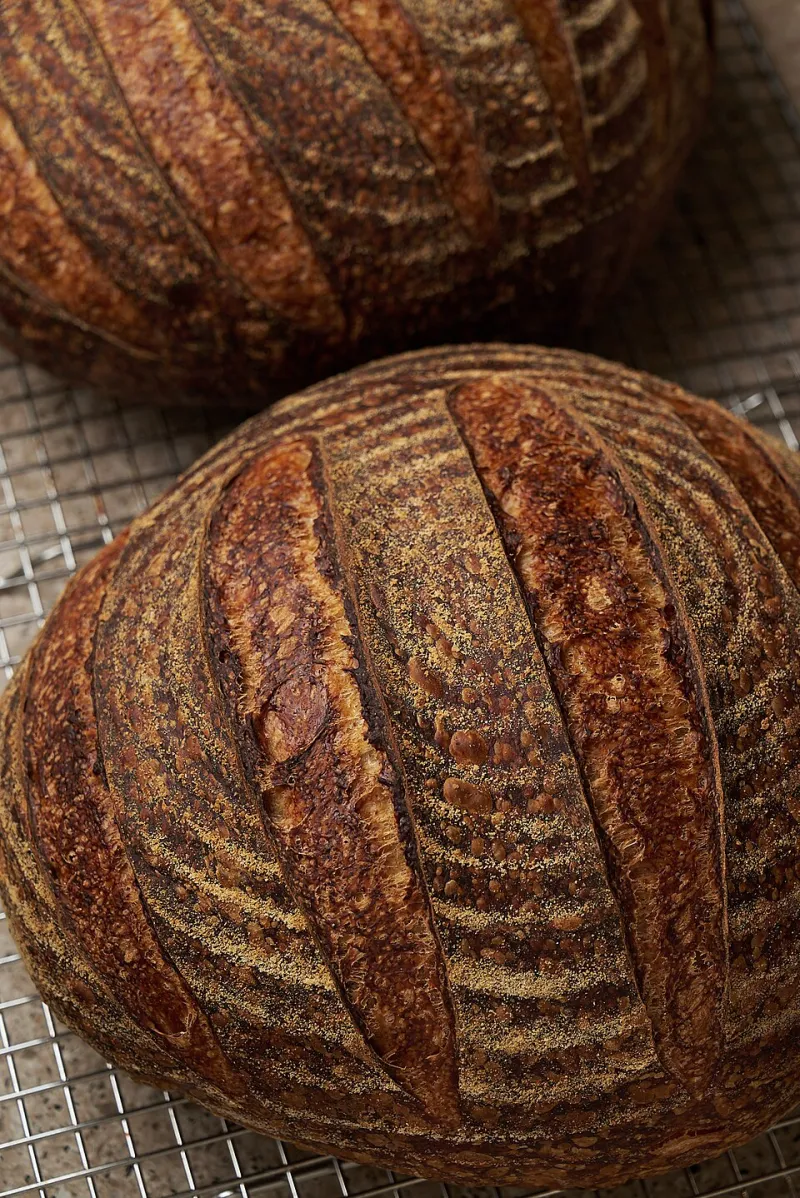
Photo: Nadav Spiegelman, CC BY-SA 4.0, via Wikimedia Commons
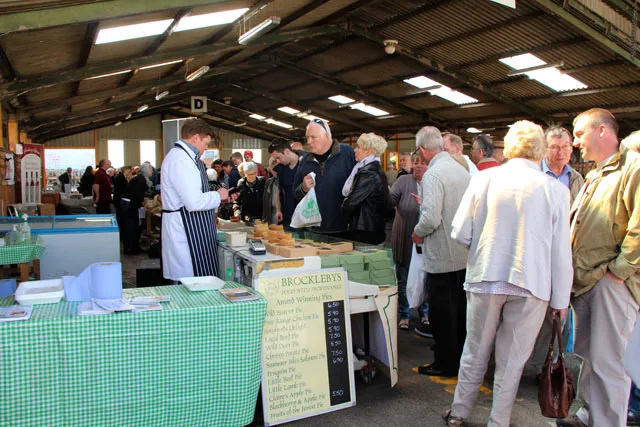
There is a moment on a cold Saturday morning when the farm shop bread table does all the talking. The door swings, the chill comes in, and there they are: dark rye, flour-dusted sourdough, a wholemeal tin with a proper crust, maybe a tray of buns still warm enough to fog the paper bag. It is easy to buy with your eyes. The useful skill is buying for the week you are actually going to have.
Bread from a farm shop is not automatically better behaved than supermarket bread. It is different. It often has more flavour, a shorter ingredient list and a crust that demands a decent knife. It also asks you to think half a step ahead. Do that, and a good local loaf becomes one of the most economical things in the basket rather than something that goes hard by Tuesday.
Start with the week, not the loaf
The first rule of the bread table is simple: match the loaf to the meals you have planned, not to the mood you are in at 9am on Saturday.
If the week ahead involves soup, eggs, beans and toast, a large sourdough or a country loaf earns its place. It can be cut as needed and revived with a splash of water and a hot oven. If packed lunches are the priority, a wholemeal tin loaf or a seeded batch slices more neatly and holds together with cheese and chutney. If you are cooking for one or two, ask whether the shop will halve or slice a larger loaf. At Dauntsey Farm Shop, the bread table changes through the morning, so it is always worth asking what came in that day and what is best for keeping rather than just what looks prettiest.
Buying two smaller loaves can be smarter than one enormous one. Eat one fresh, freeze the other in slices or halves. That is not a failure of willpower; it is just good kitchen admin.
Why slower bread keeps better
Local flour and a slower fermentation are not just talking points for the label. They change the way a loaf behaves at home.
A long, cool prove gives the dough time to develop flavour and a more open, resilient crumb. Bread made quickly with a lot of commercial yeast can be perfectly pleasant, but it often peaks fast and then stales just as quickly. A slower loaf tends to dry out rather than collapse, which means it gives you more chances to use it well. The crust may soften by day three, but the inside is still useful for toast, crumbs or a bread sauce.
That is the quiet maths of the farm shop bread table. A loaf that costs a little more but gives you four or five good eating days, plus a bag of crumbs for the freezer, is often better value than a cheap loaf you bin half of. The same logic applies to local flour: it connects the bread to the place it was made, but it also tends to arrive with more character and less uniformity. You learn to read the loaf rather than the date code.
The storage rules worth following
The most common bread mistake in a UK kitchen is the fridge. Cold temperatures speed up staling in bread, even though they slow mould. A cut loaf in the fridge will be dry and dull before its time. Keep it out.
A paper bag inside a bread bin is a good default. Paper lets the crust breathe; the bin keeps the air from drying it out too fast. If your kitchen is very dry, a cotton bag or a clean tea towel wrapped loosely around the loaf works well. Plastic is not the enemy for every loaf, but it can soften a crisp crust and trap moisture. Use it for a few days only if you prefer a softer eat, and never seal a warm loaf.
Store cut loaves cut side down on a board. Slice as you need rather than slicing the whole thing on Sunday. If you know you will not get through a loaf, freeze it in portions the day you buy it. Slices defrost in the toaster; halves defrost overnight on the counter. Freezing is not a compromise. It is a pause button.
Stale is not the end
A hard end of bread is not waste yet. It is an ingredient with a deadline.
For a whole loaf that has gone a little firm, run it under the tap for two seconds, wrap it in foil and put it in a moderate oven for ten minutes. Unwrap for the last five and the crust will crisp again. For individual slices, a hot oven or a dry frying pan does the job. Rub a stale slice with garlic, toast it, and you have the base for soup. Tear the rest into croutons, blitz it into crumbs, or use it in a bread sauce for a Sunday roast chicken.
Sweet ends have their own uses: bread and butter pudding, a treacle tart crumb, or a crunchy topping for a crumble. Savoury ends can go into stuffing, meatballs or a panzanella-style salad with winter roots and a sharp dressing. If you have more than you can use, freeze the crumbs. They will be there when you need them.
A small ritual worth keeping
The farm shop bread table rewards a bit of attention. Ask what is baking that week. Look at the crust and the crumb. Buy for the meals you have, not the meals you wish you had. Keep the loaf out of the fridge, slice as you go and freeze what you cannot eat.
Do that, and a local loaf stops being a weekend treat that turns into a Monday regret. It becomes what it should be in a winter kitchen: a reliable, useful, very good thing to have on the board.